lighting installation
owners who want clean lighting without creating overloads or patchwork controls
Larchmont Village is a historic flatland residential village where historic homes, duplexes, apartments, ADUs, old ducts, and plaster interiors create a different service path than a flat-lot tract home. The local load path usually starts with LADWP and SoCalGas are common; old homes need careful panel and plumbing assessment. Then it moves through permit timing: LADBS permits are common for panels, HVAC replacements, ADUs, and plumbing changes. The practical friction is access, and here that means finish protection, crawlspaces, garage panels, old shutoffs, and detached structures.
Use this page as the local hub, then open the specific service page for AC, heat pumps, panels, EV chargers, water heaters, drains, sewer cameras, leak detection, emergency work, or ADU sequencing.
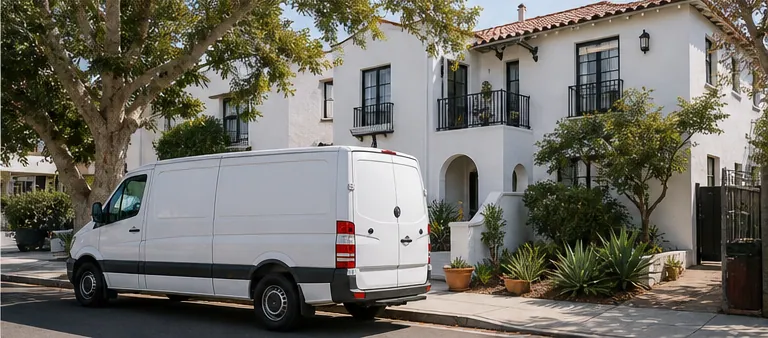
Larchmont Village service calls should start with the utility and permit path: LADWP and SoCalGas are common; old homes need careful panel and plumbing assessment. LADBS permits are common for panels, HVAC replacements, ADUs, and plumbing changes.
The housing mix matters because historic homes, duplexes, apartments, ADUs, old ducts, and plaster interiors create different access, shutoff, equipment, and finish-protection problems. Climate also matters: basin heat, older envelope losses, and limited attic/duct options. That combination can change whether the right answer is a repair, replacement, safety shutdown, inspection item, or multi-trade sequence.
The practical access issues are finish protection, crawlspaces, garage panels, old shutoffs, and detached structures. A clear booking note should include photos and any gate, parking, HOA, tenant, roof, attic, or crawlspace requirements. That helps avoid a second trip when the work needs a ladder, helper, specific part, permit assumption, or utility coordination.
owners who want clean lighting without creating overloads or patchwork controls
These details help the technician decide whether the visit should prioritize diagnostic tools, ladders, panel photos, sewer camera access, water shutoff planning, or permit assumptions. The goal is not to make the call complicated. The goal is to prevent obvious surprises.
historic estate and apartment-edge district. crawlspaces, attics, detached garages, old shutoffs, and finish-sensitive interiors
small-lot infill and apartment corridor. alley parking, narrow side yards, shared walls, garage panels, and old cleanouts
historic residential district. finish protection, crawlspace work, old panels, garage subpanels, and sewer cleanout limitations
dense apartment and bungalow district. shared shutoffs, roof ladders, parking limits, tight closets, and occupied-unit scheduling
dense apartment and museum corridor. roof ladders, shared shutoffs, parking restrictions, utility rooms, and occupied units
river-adjacent bungalow and duplex market. alley parking, garage panels, tight side yards, older cleanouts, and detached ADUs
Use the external booking link and include photos of the equipment, panel, shutoff, access route, and urgency.
LADBS permits are common for panels, HVAC replacements, ADUs, and plumbing changes. The exact path should be verified by address because Los Angeles County has city, county, coastal, hillside, and HOA overlays.
Larchmont Village combines historic homes, duplexes, apartments, ADUs, old ducts, and plaster interiors with finish protection, crawlspaces, garage panels, old shutoffs, and detached structures. That means a real scope should check equipment route, shutoffs, panel capacity, and permit timing before approving work.
Yes. The site uses the same external booking link for urgent HVAC, electrical, and plumbing visits, and the phone placeholder will be replaced after the real number is supplied.
"No coupon talk, just a clear route through the problem. The East Hollywood notes matched what the technician found on site, especially around Little Armenia, cleanout access, and shared drain backups. We had enough information to compare options because the photos and closeout notes matched what we saw at the house."
"The team treated our service request like a building problem, not only a part problem. For AC replacement, they checked how Title 24 and inspection scope connected to the rest of the system and whether ADU load planning would create a return visit near Veterans Park. The closeout was strong because the estimate separated immediate stabilization from the follow-up scope."
"The written scope named the symptom, access issue, and condition that would change pricing. That was useful for our Hidden Hills house because emergency HVAC depended on roof or attic access, and whole-home load calculations could not be ignored. After the visit, the notes gave our property manager enough detail to approve the next step."
"The generator backup readiness visit in Sherman Oaks stayed practical from the first call. We mentioned the Sherman Oaks Hills access issue, and the technician checked critical circuit count before pricing bigger work. Because condo HVAC replacement was documented with photos, the technician explained what was safe to use and what needed to stay off."
"Our hillside reservoir neighborhood near Wonder View had more access issues than expected, but the repiping scope stayed clear. The technician explained how fixture count affected the labor and why heat pump placement had to be checked before we approved anything. In the end, the written scope made the repair-versus-replace decision much easier."
"The technician started with the route, shutoff, and equipment location instead of jumping straight to a menu price. For ductless mini-split installation in Hancock Park, that mattered because line-hide route and duct redesign could have changed the scope. The best part was that the visit avoided a second trip because the access issue was handled early."
These references are used to frame permit, safety, energy, utility, and inspection context. They do not replace field diagnosis, but they keep the page useful and verifiable.